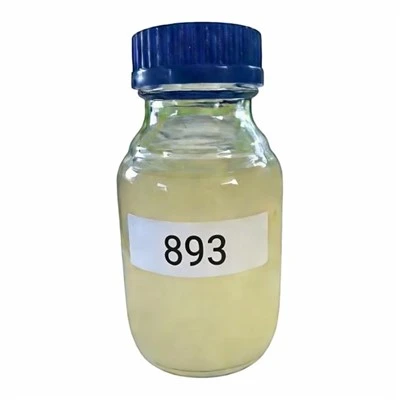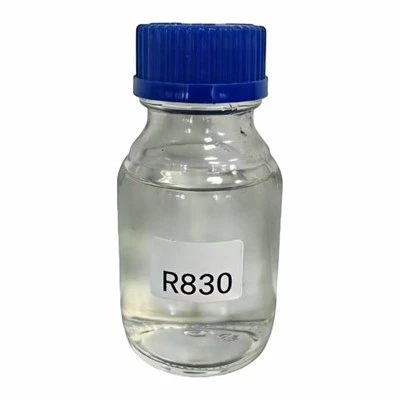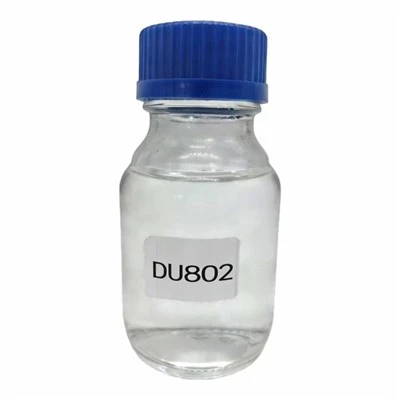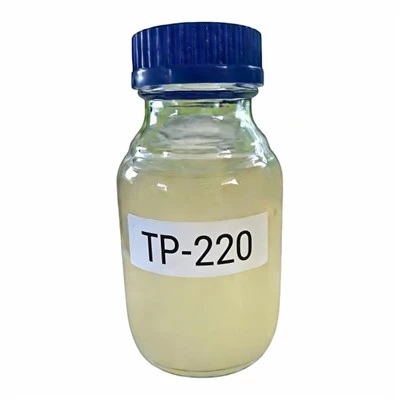

Alright, folks! As a supplier of adhesive, I often get asked about the best ways to store this stuff. It's not just about tossing it in a corner and forgetting about it. Proper storage can make a huge difference in the quality and longevity of your poured adhesive. So, let's dive into how I recommend storing poured adhesive to keep it in top-notch condition.
First off, let's talk about the basics. Pouring adhesive is a pretty sensitive product. It can be affected by temperature, humidity, and even light. That's why it's crucial to find the right storage environment. You don't want your adhesive to dry out, become too thick, or develop any unwanted chemical reactions.
Temperature Control
Temperature is one of the most important factors when it comes to storing poured adhesive. Most pouring adhesives work best when stored at a consistent temperature. For the majority of the products we supply, a temperature range between 10°C and 35°C is ideal. This is because extreme temperatures can cause changes in the adhesive's viscosity and chemical properties.
If the temperature is too high, the adhesive might start to cure prematurely. You know, it'll start to harden and become unusable before you even get a chance to pour it. On the flip side, if it's too cold, the adhesive can become thick and difficult to work with. It might even separate into different components, which is a big no-no.
So, where can you store your adhesive to maintain this ideal temperature? Well, a climate-controlled storage room is a great option. If you don't have one, a closet or cabinet away from direct sunlight and heat sources can also work. Just make sure to check the temperature regularly to ensure it stays within the recommended range.
Protecting from Humidity
Humidity is another enemy of poured adhesive. Excess moisture in the air can cause the adhesive to absorb water, which can lead to all sorts of problems. For example, it will degrade the adhesive's bonding performance.
To protect your adhesive from humidity, store it in airtight containers. These containers will prevent moisture from getting in and affecting the adhesive.
When you're dealing with high-humidity environments, you might want to consider using a dehumidifier in the storage area. This will help keep the overall humidity levels down and protect your adhesive from the harmful effects of moisture.
Keeping It in the Dark
Light, especially ultraviolet (UV) light, can also have a negative impact on poured adhesive. UV light can break down the chemical bonds in the adhesive, causing it to degrade over time. This can lead to a weaker bond and a shorter shelf life.
To protect your adhesive from light, store it in opaque containers. These containers will block out the UV light and keep your adhesive safe. If you don't have opaque containers, you can cover clear containers with a dark cloth or store them in a dark place.
Handling and Shelf Life
Proper handling is also important when it comes to storing poured adhesive. Always make sure to follow the manufacturer's instructions for opening, closing, and using the adhesive. For example, some adhesives need to be shaken or stirred before use to ensure a uniform consistency.
Most poured adhesives have a shelf life, which is the amount of time they can be stored before they start to lose their effectiveness. This shelf life can vary depending on the type of adhesive and the storage conditions. Generally, if you store the adhesive properly, it can last anywhere from 6 months to 2 years.
Keep an eye on the expiration date on the adhesive packaging. Once it's expired, it's best to dispose of it properly and get a new batch. Using expired adhesive can lead to poor performance and unreliable results.
Storing in Bulk
If you're a large-scale user or a distributor, you might be dealing with bulk quantities of poured adhesive. Storing adhesive in bulk requires a bit more planning and consideration.
First, choose a large storage container that is made of a material that is compatible with the adhesive. Stainless steel or high-density polyethylene containers are often a good choice. Make sure the container has a tight-fitting lid to prevent air and moisture from getting in.
When storing in bulk, it's also important to rotate your stock. This means using the oldest adhesive first to ensure that it doesn't expire before it's used. You can do this by labeling the containers with the date of purchase or receipt and keeping a record of when you first opened them.
Conclusion
So, there you have it, folks! Proper storage of poured adhesive is all about controlling the temperature, protecting it from humidity, keeping it in the dark, and handling it carefully. By following these tips, you can ensure that your adhesive stays in good condition and performs at its best.
References
- Manufacturer's guidelines for pouring adhesive products.
- Industry best practices for adhesive storage and handling.