Product Overview
Industrial hot melt adhesive is engineered to bond compatible substrates across demanding manufacturing and assembly operations. Selecting an optimal adhesive grade depends directly on substrate materials, application methods, operating temperatures, required open time, setting time, and end-use service conditions.
Final grade selection should always be validated against certified product data and the specific requirements of your operational workflow.
-
![Quick Bonding Adhesive]() Quick Bonding Adhesive
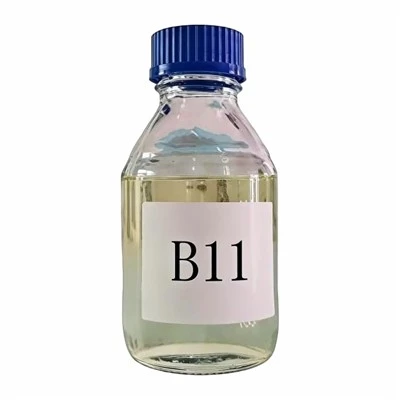
Staple Adhesive B Adhesive B11
Quick bonding adhesive B11 is a professional adhesive specifically developed for the secondary bonding and surface sealing stage in the multi‑step production of... -
![Book Binding Adhesive]() Book Binding Adhesive
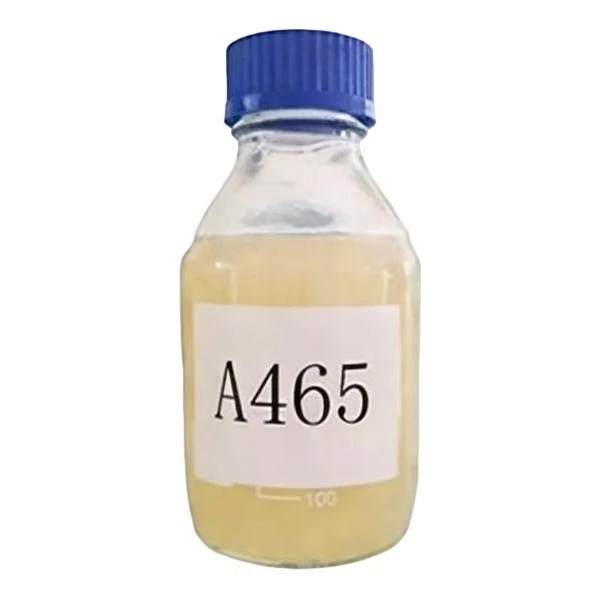
Staple Adhesive A Adhesive A465
In the fastener manufacturing field, where precision is critical, the quality of the initial bonding step directly affects the performance, durability, and...


Technical Specifications
The following table provides a standard reference template for evaluating adhesive performance. Actual values must be verified against the manufacturer's official Technical Data Sheet (TDS) prior to specification or commercial purchase.
|
Technical Parameter |
Reference Range / Value |
Test Method / Conditions |
|
Chemical Base |
Synthetic Elastomer / Resin Blend |
Confirm formulation family per product grade |
|
Viscosity |
12,000 - 15,000 mPa·s |
Rotational viscometer at operational temperature |
|
Viscosity Test Temperature |
180°C |
Verify against official product TDS |
|
Softening Point |
88 - 94°C |
Ring and Ball method (ASTM E28 equivalent) |
|
Open Time |
15 - 25 seconds |
Laboratory test under standard ambient conditions |
|
Setting Time |
5 - 10 seconds |
Controlled pressing and cooling interval |
|
Specific Gravity / Density |
0.98 ± 0.05 g/cm³ |
ASTM D1475 or equivalent standard |
|
Appearance |
Amber / Transparent solid |
Visual inspection per master batch |
Applications and Substrate Compatibility
Adhesive selection depends heavily on the specific materials being joined, the production environment, and the structural requirements of the finished assembly. Application suitability must be confirmed for each individual product grade.
Furniture and Woodworking
For wood assembly and panel processing, identify specific substrates such as solid wood, medium-density fiberboard (MDF), or particleboard. Substrate moisture content (8% - 12% typical target), surface condition, adhesive application patterns, and clamping pressure directly influence bonding performance. Suitability should be verified via technical guidance and lab trials.
Packaging and Paper Converting
For corrugated board, folding cartons, and kraft paper applications, evaluate paper construction, surface treatments, line speed, dispensing equipment, and open time requirements.
Automotive Interiors and Specialized Assemblies
Applications involving automotive interior trim, plastics, or dissimilar material bonding require strict compatibility checks. For engineering plastics (ABS, PVC) or metal brackets, verify whether the adhesive requires a specialized surface primer or mechanical preparation. Never assume compatibility based solely on general product categories.
Processing recommendations vary significantly by adhesive formulation, substrate type, equipment configuration, and shop floor conditions.
Before establishing full-scale production parameters, confirm the following technical variables with your supplier:
Application Temperature: Recommended operating window for the specific grade.
Open Time and Setting Time: Time intervals defining workable assembly windows and handling strength under defined test standards.
Equipment Compatibility: Compatibility with roller coaters, slot nozzles, pneumatic extrusion guns, or automated spray heads.
Substrate and Shop Conditions: Surface cleanliness, moisture levels, line speed, application patterns, and cooling arrangements.
Actual production parameters should be established through technical consultation and direct application trials rather than inferred from general industry averages.
Evaluation of a manufacturing partner should focus on verifiable shop-floor controls and quality assurance protocols.
Product Selection and Customization
To help our technical team identify or customize the correct adhesive grade for your workflow, please provide the following project paramete
Substrates: Exact material types, surface treatments, and moisture levels.
End-Use Application: Finished product type and mechanical service conditions.
Equipment and Parameters: Dispensing system type, operating temperature, line speed, and open time requirements.
Volume and Packaging: Estimated annual consumption and preferred packaging format (bags, cartons, drums).
For non-standard substrates or specialized environmental constraints, ask our laboratory about custom formulation adjustments and physical sample testing. Minimum order quantities and lead times apply for custom developments.
Frequently Asked Questions
Guangdong Yrbest High Polymer Technology Co., Ltd. is one of the most professional staple adhesive manufacturers and suppliers in China, featured by quality products and good price. Please rest assured to buy bulk advanced staple adhesive from our factory. Contact us for quotation and free sample.