Product Overview
PUR (polyurethane reactive) and EVA (ethylene-vinyl acetate) hot melt adhesives are engineered for furniture manufacturing and woodworking processes, including edge banding, profile wrapping, and flat lamination.
For furniture manufacturers, panel processors, and woodworking facilities, adhesive selection depends directly on substrate and edge materials, required bonding performance, application temperature, open time, machine feed speed, and end-use environmental conditions.
Because PUR and EVA hot melts operate through different bonding mechanisms, successful production outcomes require matching precise technical specifications with the intended application and processing equipment.
-
![Removable Spray Adhesive]() Removable Spray Adhesive
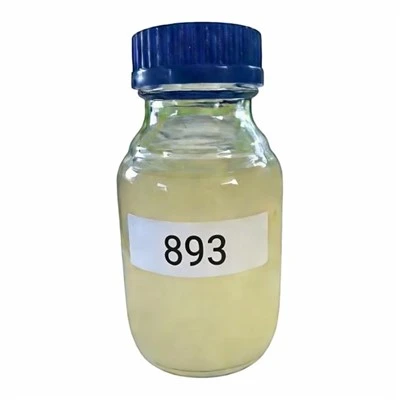
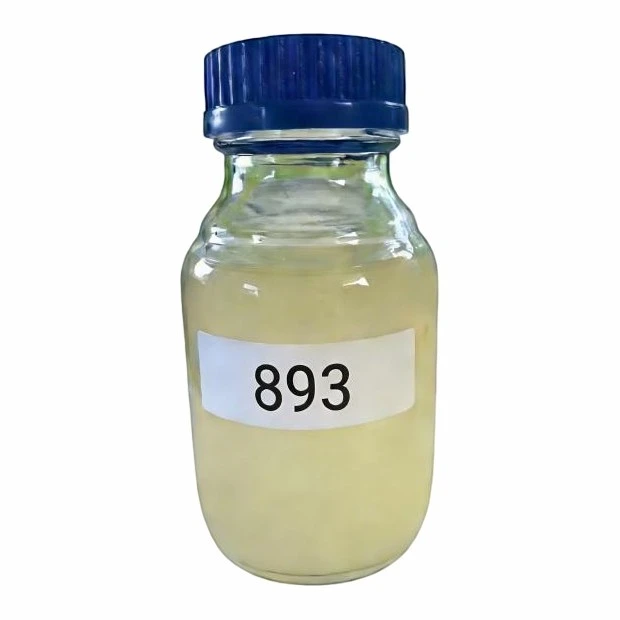
Spray Adhesive 893
In the modern manufacturing of upholstered furniture and home furnishings, efficiency and quality are equally indispensable. The core challenge in making such products is to...

PUR vs. EVA Hot Melt Adhesives
PUR Hot Melt Adhesive
PUR hot melt adhesives establish initial green strength through cooling, followed by an irreversible chemical cross-linking reaction triggered by ambient moisture. Suitability depends on the exact formulation, substrate pairing, and required performance thresholds.
Evaluation of PUR adhesives requires confirming recommended application temperatures, open times, moisture-protection protocols, curing parameters, and verified thermal/moisture resistance data.
EVA Hot Melt Adhesive
EVA hot melt adhesives bond through the physical cooling and thermoplastic solidification of the molten polymer. They are utilized in woodworking applications where thermoplastic behavior aligns with processing and service conditions.
Selection should account for application temperature, open time, melt viscosity, substrate compatibility, and the structural demands of the finished component.
Key Selection Differences
|
Selection Factor |
PUR Hot Melt |
EVA Hot Melt |
|
Bonding Mechanism |
Cooling followed by moisture-triggered cross-linking |
Cooling and thermoplastic solidification |
|
Processing Considerations |
Strict moisture protection, application windows, and curing times |
Open time, coat weight, and cooling rate |
|
Heat and Moisture Resistance |
Verified via product-specific test documentation |
Verified via product-specific test documentation |
|
Equipment Requirements |
Requires moisture-sealed application and handling systems |
Standard hot melt application machinery |
|
Application Suitability |
Selected based on documented product performance ratings |
Selected based on documented product performance ratings |
Technical Specifications
|
Parameter |
PUR Hot Melt Adhesive |
EVA Hot Melt Adhesive |
|
Chemical Base |
Reactive polyurethane |
Ethylene-vinyl acetate |
|
Physical Form |
Confirm available packaging formats |
Confirm available packaging formats |
|
Melt Viscosity |
Confirm value, test temperature, and method |
Confirm value, test temperature, and method |
|
Recommended Application Temp. |
Refer to product TDS |
Refer to product TDS |
|
Open Time |
Confirm by product grade and test conditions |
Confirm by product grade and test conditions |
|
Heat Resistance |
State test method and verified result |
State test method and verified result |
|
Water Resistance |
State classification per applicable standards |
State classification per applicable standards |
|
Setting / Curing Time |
Confirm initial setting and full cross-linking time |
Confirm setting time under specified parameters |
|
Shelf Life |
Refer to product TDS |
Refer to product TDS |
|
Packaging Options |
Confirm available formats |
Confirm available formats |
Substrate Compatibility and Applications
Edge Banding
Hot melt adhesives bond edge materials to panel substrates in automated furniture production. Performance relies on matching the adhesive grade, edge material surface energy, panel characteristics, and machine parameters.
Materials for preliminary evaluation:
Edge Banding: PVC, ABS, PMMA, melamine, and wood veneers (subject to compatibility confirmation).
Substrates: MDF and particleboard.
Compatibility with the exact panel and edge material combination must be validated prior to full-scale production.
Profile Wrapping
Profile wrapping involves bonding decorative foils, laminates, or veneers onto shaped MDF profiles. The adhesive must be selected to match the film type, profile substrate, application method, and line speed.
Other Woodworking Applications
For flat lamination, membrane pressing, or structural component assembly, dedicated adhesive grades are often required to meet specialized mechanical and thermal demands.
Substrate and Environmental Conditions
Substrate moisture, surface contamination, ambient shop temperature, and condensation directly influence bond integrity. Operating windows must be established using official technical documentation and validated through plant trials.
Application Parameters
Application temperature, open time, coat weight, pressure settings, and feed speed must be configured according to the specific adhesive grade, substrate pairing, and equipment capabilities. Trial runs are recommended when changing materials or machinery settings.
PUR Moisture Protection
Reactive PUR hot melts demand strict moisture management before and during processing. Follow manufacturer protocols regarding storage, foil-sealing integrity, melting equipment protection, exposure limits, and emergency shutdown procedures.
Equipment Cleaning and Shutdown
Purging procedures, cleaning agents, and temperature setbacks must comply with both adhesive and machinery manufacturer instructions. Do not apply universal shutdown temperatures across different chemical systems.
Storage and Shelf Life
Store materials strictly within the temperature and environmental limits specified in the technical data sheet and original packaging instructions.
Manufacturing and Quality Control
Manufacturing processes, testing protocols, and documentation reflect standard industrial operational controls. Buyers may request detailed product specifications and quality verification procedures for evaluated grades.
Technical documents available upon request:
Technical Data Sheet (TDS)
Safety Data Sheet (SDS)
Batch-specific Certificate of Analysis (CoA) where applicable
Relevant test reports and target market regulatory documentation
Customization and Technical Support
To determine the correct adhesive grade for your facility, please provide the following operational parameters:
Application Process
Edge banding, profile wrapping, flat lamination, etc.
Substrate & Edge Materials
Panel type, edge banding polymer, veneer type, etc.
Machinery Specifications
Make, model, application system (slot nozzle / roller), and operating temperature range.
Processing Parameters
Feed speed, application temperature, and coat weight.
Performance Requirements
Target heat resistance, moisture resistance, or mechanical standards.
Commercial Requirements
Estimated trial volume, annual consumption, and delivery destination.
Frequently Asked Questions
Guangdong Yrbest High Polymer Technology Co., Ltd. is one of the most professional furniture adhesive manufacturers and suppliers in China, featured by quality products and good price. Please rest assured to buy bulk advanced furniture adhesive from our factory. Contact us for quotation and free sample.