Product Overview
This two-part epoxy electronic adhesive is engineered for structural bonding and thermal management in high-reliability electronic assemblies. It serves design engineers and manufacturing operations requiring reliable heat dissipation and environmental protection for power electronics and automotive control units.
Primary engineering demands focus on stable thermal conductivity, low shrinkage during cure, and strong adhesion to dissimilar substrates. Selection criteria center on mix ratio, dispensed viscosity for automated production lines, and thermal cycling durability.
-
![Speaker Surround Adhesive]() Speaker Surround Adhesive
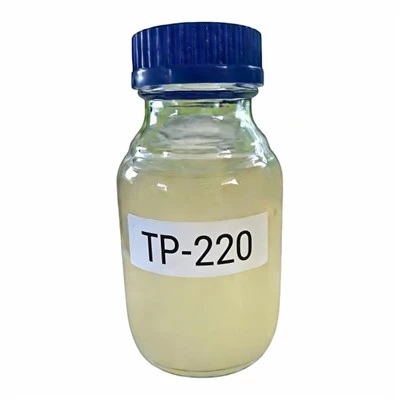
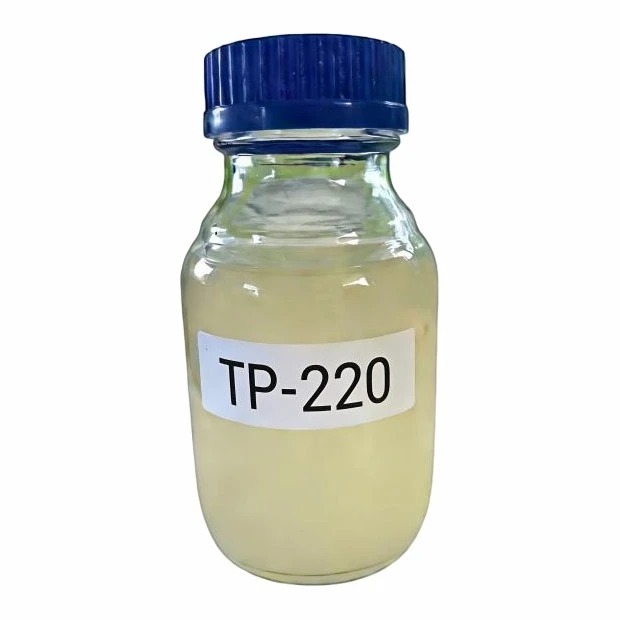
Speaker Adhesive TP-220
The assembly and durability of core components directly determine the service life of speakers and the stability of their sound quality, which further affects... -
![Headphone Glue]() Headphone Glue
Headphone Adhesive 712FC
In the consumer electronics industry, bonding performance directly affects product quality, longevity, and user comfort. Headphone glue 712F(C) is a professional... -
![Electronic Devices Adhesive]() Electronic Devices Adhesive
Speaker Adhesive LP-035
Nowadays, electronic devices have increasingly high performance requirements, and the assembly quality of speakers and diaphragms directly affects sound quality and...


Product Characteristics & Key Features
Chemistry: Two-component, amine-cured modified epoxy system.
Physical Form: Part A (Resin): Gray paste; Part B (Hardener): Off-white paste. Mixed state: Uniform gray paste.
Key Performance Features:
Thermal Conductivity: Stated at 1.8 W/(m·K) via ceramic filler dispersion, lowering junction temperatures in power modules. Custom formulations available from 1.2 W/(m·K) to 3.0 W/(m·K).
Low Outgassing: Formulated to meet low volatile condensable material standards, protecting optical components and high-contact relays.
Mechanical Resilience: Shore D 85 hardness with an elongation at break of 2.5%, withstanding mechanical shock and thermal expansion mismatch.
Dielectric Integrity: Withstands high voltage gradients, preventing electrical tracking in dense circuit layouts.
Applications & Substrate Compatibility
Typical Applications
Battery cell-to-cooling plate bonding in electric vehicle battery packs.
Power inverter module potting and heat sink attachment.
Sensor housing sealing and electronic control unit circuit board edge bonding.
Compatible Substrates
Metals: Anodized aluminum, untreated aluminum, copper, nickel-plated brass, and stainless steel.
Engineering Plastics and Electronic Materials: PBT-GF30, PA66-GF30, PPS, and FR4 epoxy glass cloth.
Note on Polyolefins: Polyethylene (PE) and polypropylene (PP) feature low surface energy and require specialized surface treatment, plasma activation, or primers before bonding.
Process Compatibility: Automated pneumatic dispensing, robotic nozzle application, and manual cartridge mixing.

Technical Specifications
|
Test Property |
Stated Value |
Test Method / Standard |
|
Mix Ratio |
100 : 10 (Resin to Hardener) |
Internal method (confirm by weight or volume) |
|
Mixed Viscosity (25°C) |
45,000 mPa·s |
ASTM D2196 |
|
Pot Life (100 g, 25°C) |
45 minutes |
ASTM D2471 |
|
Thermal Conductivity |
1.8 W/(m·K) |
ASTM D5470 |
|
Volume Resistivity |
1.2 × 10¹⁴ Ω·cm |
ASTM D257 |
|
Dielectric Strength |
18 kV/mm |
ASTM D149 |
|
Glass Transition Temp (Tg) |
115°C |
IPC-TM-650, Method 2.4.25 |
|
Tensile Lap Shear Strength |
18.5 MPa (Aluminum-to-Aluminum) |
ASTM D1002 |
|
Shore D Hardness |
85 |
Standard test method |
|
Elongation at Break |
2.5% |
Standard test method |
Application, Mixing & Curing
Surface Preparation
Substrates must be clean and free from oils, grease, and contaminants. Solvent cleaning, mechanical abrasion, plasma treatment, or primer application should be validated for your specific production line.
Mixing & Dispensing
Ensure precise metering of Parts A and B according to the verified ratio. Automated meter-mix dispense equipment with a static mixing nozzle (minimum 16 elements) is recommended. For manual mixing, stir continuously for 3 minutes, scraping container walls.
Curing Conditions
Room-temperature cure: 24 hours at 25°C.
Accelerated cure: 60 minutes at 80°C or 30 minutes at 100°C.
Storage & Handling: Store unmixed components in original sealed containers between 15°C and 25°C in a dry location. Shelf life is 12 months from manufacture. Consult the product SDS for personal protective equipment and safety guidelines.
Manufacturing & Quality Control
Production Standards
Manufactured under strict process controls, utilizing vacuum-assisted planetary mixing to eliminate micro-voids, followed by sub-micron filtration to ensure consistent filler dispersion and prevent dispensing needle clogging.
Batch Inspection
Every production batch undergoes strict quality control testing for viscosity, density, mix ratio verification, and thermal properties before packaging.
Traceability & Documentation
Each shipment includes a batch-specific Certificate of Analysis (CoA) detailing measured test results. Material Safety Data Sheets (MSDS) and RoHS/REACH compliance documentation are provided upon request.
Frequently Asked Questions

Request a Quote or Technical Evaluation
To evaluate this two-part epoxy electronic adhesive for your project, please provide the following details:
Substrate Materials: Material grades, surface finishes, and any planned surface treatments.
Application Details: Bonding configuration and component function.
Thermal Requirements: Required thermal conductivity and operating temperature range.
Mechanical & Electrical Requirements: Bond strength, loading conditions, and insulation criteria.
Process Conditions: Dispensing equipment, target bond-line thickness, and available curing equipment.
Order Requirements: Estimated annual quantity, sample requirements, packaging preferences (e.g., 50ml cartridges, 400ml dual syringes, 20kg pails), and delivery destination.
Guangdong Yrbest High Polymer Technology Co., Ltd. is one of the most professional electronic adhesive manufacturers and suppliers in China, featured by quality products and good price. Please rest assured to buy bulk advanced electronic adhesive from our factory. Contact us for quotation and free sample.