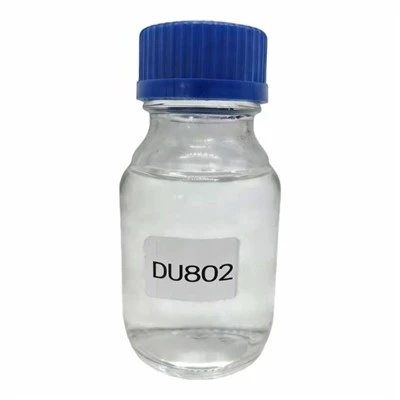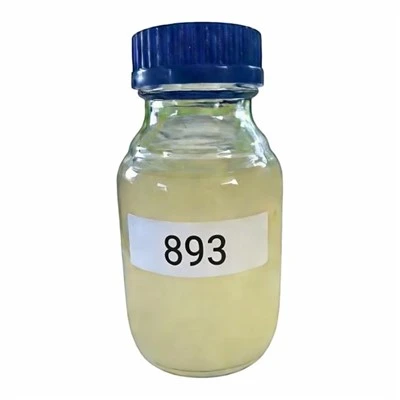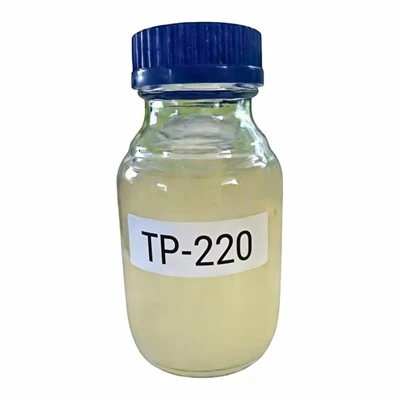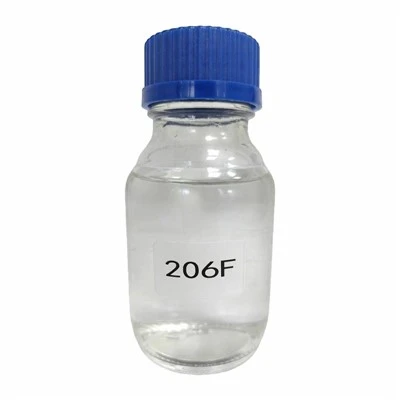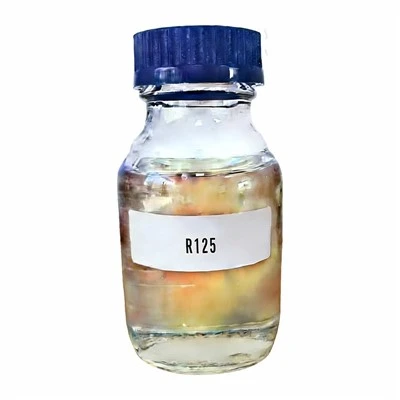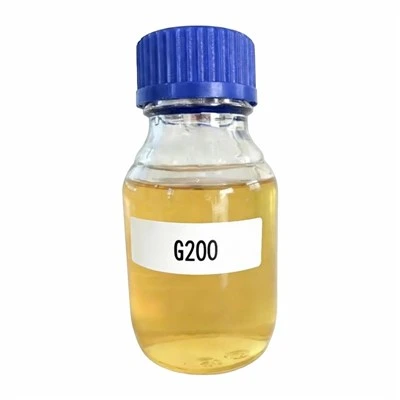

As a supplier of primer, I am often asked whether our oil leather primer can be used on leather furniture. This is a crucial question for both consumers and furniture manufacturers, as the right primer can significantly enhance the quality and longevity of leather furniture. In this blog, I will delve into the details of using oil leather primer on leather furniture, exploring its benefits, potential drawbacks, and application guidelines.
Understanding Oil Leather Primer
Oil leather primer is a specialized product to prepare the surface of leather for subsequent treatments such as coloring, finishing, or coating. It contains a blend of oils, resins, and other additives that penetrate the leather fibers, creating a smooth and even surface. This not only improves the adhesion of the topcoat but also helps to protect the leather from moisture, stains, and wear.
There are two main types of oil leather primer that we offer: Oil Leather Shoe Primer and Oil Leather Surface Primer. The shoe primer is formulated specifically for the footwear.On one hand,the primer providing excellent adhesion and durable, on the other hand, is more versatile and can be used on a variety of leather surfaces, including furniture.
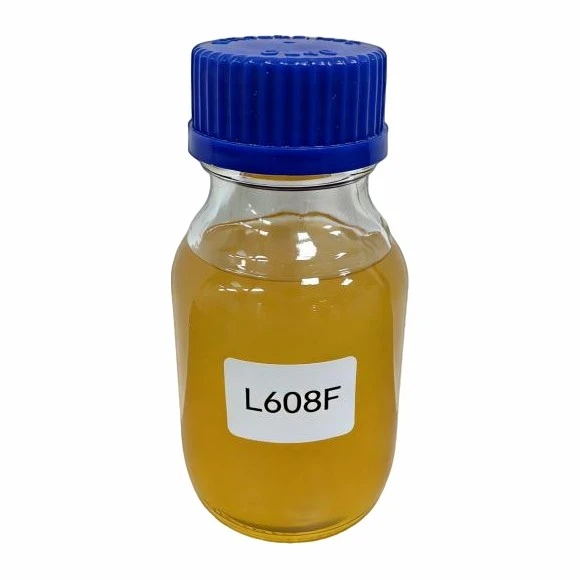
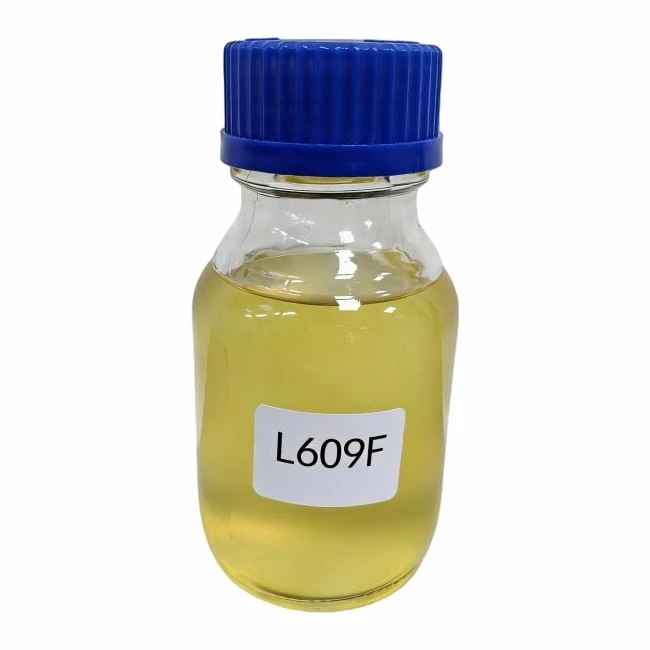
Benefits of Using Oil Leather Primer on Leather Furniture
- Enhanced Adhesion: One of the primary benefits of using oil leather primer on leather furniture is that it improves the adhesion of the topcoat. By creating a smooth and even surface, the primer ensures that the topcoat adheres more firmly to the leather, reducing the risk of peeling or flaking. This results in a more durable and long-lasting finish.
- Improved Protection: Oil leather primer also provides an additional layer of protection for the leather. It helps to seal the pores of the leather, preventing moisture, stains, and dirt from penetrating the surface. This not only keeps the furniture looking clean and new but also extends its lifespan.
- Enhanced Appearance: Using a primer can also enhance the appearance of the leather furniture. It can help to even out the color and texture of the leather, giving it a more uniform and professional look. Additionally, the primer can add a subtle sheen to the leather, enhancing its overall aesthetic appeal.
- Versatility: Our oil leather primer is suitable for use on a variety of leather types, including full-grain, top-grain, and corrected-grain leather. This makes it a versatile option for furniture manufacturers and consumers who want to use the same primer on different types of leather furniture.
Potential Drawbacks of Using Oil Leather Primer on Leather Furniture
- Cost: One of the potential drawbacks of using oil leather primer on leather furniture is the cost. Primer can add an additional expense to the furniture manufacturing process, which may be a concern for some manufacturers or consumers. However, the benefits of using a primer, such as improved adhesion and protection, often outweigh the cost.
- Application Complexity: Applying oil leather primer need some skills and experience. If not applied correctly, the primer can leave streaks or uneven patches on the leather surface. This can affect the appearance of the furniture and may require additional sanding or refinishing to correct.
- Compatibility Issues: It is important to ensure that the oil leather primer is compatible with the type of leather and the topcoat being used. Some primers may not be suitable for certain types of leather or may react with the topcoat, causing discoloration or other issues. It is recommended to test the primer on a small, inconspicuous area of the leather before applying it to the entire piece of furniture.
Application Guidelines for Using Oil Leather Primer on Leather Furniture
- Prepare the Leather Surface: Before applying the primer, it is important to clean and prepare the leather surface. This step is removing any dirt, dust, or stains from the leather using a mild leather cleaner. Once the leather is clean, it should be allowed to dry completely.
- Apply the Primer: Using a clean, soft brush or a spray gun, apply a thin, even coat of the oil leather primer to the leather surface. Make sure to cover the entire surface, including the edges and corners. Allow the primer to dry for the recommended time, which is usually between 1-2 hours.
- Sand the Primer: After the primer has dried, use a fine-grit sandpaper to sand the surface of the leather. This will help to smooth out any rough spots or uneven areas and prepare the surface for the topcoat. Make sure to sand in the direction of the leather grain to avoid damaging the surface.
- Apply the Topcoat: Once the primer has been dryed, apply the topcoat to the leather surface using a clean, soft brush or a spray gun. Make sure to follow the manufacturer's instructions for applying the topcoat, including the recommended number of coats and the drying time between coats.
- Allow the Furniture to Cure: After the topcoat has been applied, allow the furniture to cure for the recommended time, which is usually between 24-48 hours. During this time, avoid touching or using the furniture to allow the topcoat to fully dry and harden.
Conclusion
In conclusion, oil leather primer can be used on leather furniture to enhance its adhesion, protection, and appearance. However, it is important to notice the potential drawbacks, such as cost and application complexity, before using a primer. Following the application guidelines and testing the primer on a small area of the leather, you can ensure that the primer is compatible with the leather and the topcoat and achieve the best results.
If you are interested in purchasing our oil leather primer for your leather furniture, please feel free to contact us for more information. We are happy to provide you with samples and technical support to help you make the right choice for your needs.
References
- Leather Furniture Care Guide, Leather Industry Association
- Primer Application Techniques, Paint and Coatings Research Institute