
Hey there! As a supplier of EVA primers, I've been getting a lot of questions lately about how our products perform in high - altitude environments. So, I thought I'd take a deep dive into this topic and share some insights with you all.
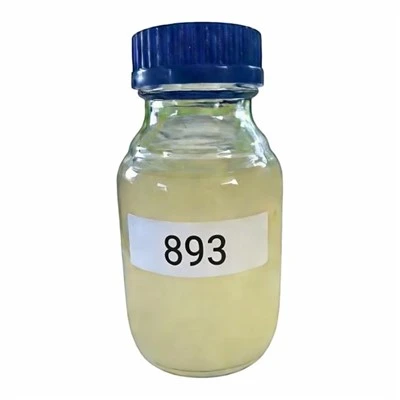
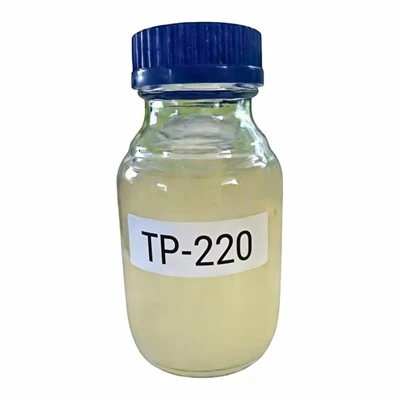
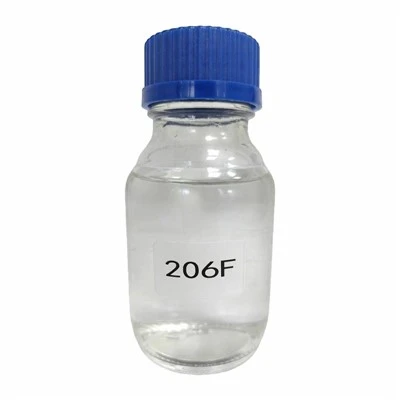
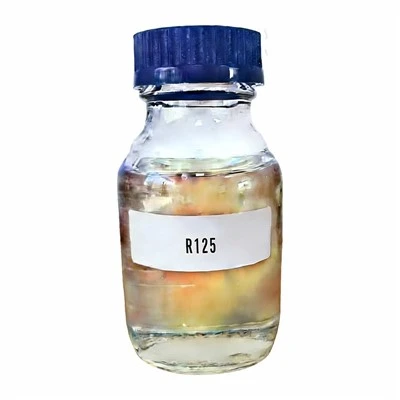
First off, let's talk about what EVA primers are. EVA, or ethylene - vinyl acetate, is a copolymer that's widely used in various industries. EVA primers are essentially substances that are used to prepare a surface for better adhesion of coatings, adhesives, or other materials. You can learn more about EVA Primers on our website.

High - altitude environments come with a unique set of challenges. The air is thinner up there, which means lower air pressure. The temperature can also vary significantly, from extremely cold at night to relatively warm during the day. And let's not forget about the increased exposure to UV radiation. All these factors can have a major impact on how materials perform.
So, how does our EVA primer hold up in such conditions? Well, one of the key aspects is its adhesion properties. In high - altitude areas, the lower air pressure can sometimes make it difficult for primers to bond properly to surfaces. But our EVA primer is formulated in a way that it can form a strong bond even under these challenging conditions. The chemical composition of the primer allows it to penetrate the surface and create a stable base for whatever comes next, whether it's a coating or an adhesive.
Another important factor is the temperature resistance. As I mentioned earlier, high - altitude regions experience large temperature swings. Our MD EVA Primer is designed to withstand these fluctuations. It doesn't become brittle in cold temperatures or lose its adhesive strength when it gets warm. This is crucial because if a primer fails due to temperature changes, it can lead to the failure of the entire coating or bonding system.
UV radiation is also a big concern in high - altitude areas. The thinner atmosphere allows more UV rays to reach the surface, which can cause materials to degrade over time. Our EVA primer has built - in UV stabilizers. These stabilizers help protect the primer from the harmful effects of UV radiation, ensuring that it maintains its integrity and performance for a longer period.
Let's take a look at some real - world examples. We've had customers in mountainous regions who've used our EVA primer for various applications. One customer was working on a building project at a high - altitude location. They used our primer to prepare the exterior walls before applying a protective coating. Even after several months of exposure to the harsh high - altitude environment, the coating was still firmly adhered to the walls, thanks to the excellent performance of our EVA primer.
Another customer was involved in a bridge construction project in a high - altitude area. They used our primer to bond different structural components together. The primer was able to withstand the vibrations and stresses caused by the traffic on the bridge, as well as the extreme weather conditions. This shows that our EVA primer is not only suitable for static applications but also for dynamic ones in high - altitude settings.
Now, I know some of you might be wondering about the application process in high - altitude environments. It's actually quite similar to the normal application process, but there are a few things to keep in mind. Due to the lower air pressure, it might take a bit longer for the primer to dry. So, you need to be patient and allow enough time for the primer to cure properly. Also, make sure to follow the recommended application temperature range. If it's too cold, the primer might not spread evenly, and if it's too hot, it could dry too quickly and affect the adhesion.
In terms of storage, our EVA primer should be stored in a cool, dry place, even in high - altitude areas. The temperature fluctuations can affect the quality of the primer if it's not stored properly. So, keep it away from direct sunlight and extreme temperatures.
We're constantly researching and improving our EVA primers to make them even better for high - altitude environments. We're working on enhancing the UV resistance, improving the adhesion under even lower air pressures, and making the primer more resistant to temperature changes.
If you're in an industry that requires working in high - altitude areas and you're looking for a reliable EVA primer, we'd love to hear from you. Whether you're in construction, manufacturing, or any other field, our EVA primers can provide the performance you need. We can offer you samples to test in your specific environment and provide you with all the technical support you need.
So, if you're interested in learning more about our EVA primers or want to discuss your specific requirements, don't hesitate to reach out. We're here to help you find the best solution for your high - altitude projects.
References:
- Industry reports on high - altitude material performance
- Internal research and development data on EVA primers