
Understanding Rubber Primers
Rubber features distinctive chemical makeup and physical properties with relatively low‑surface‑energy. This creates major difficulties when bonding rubber to other materials. The primary function of rubber treatment agent is to boost the wettability of rubber surfaces. After treatment, the agent reduces surface tension of rubber. This allows adhesives to spread and penetrate across rubber surfaces much better, enlarging the actual contact area between adhesive and rubber, and laying a solid foundation for strong, dependable bonds.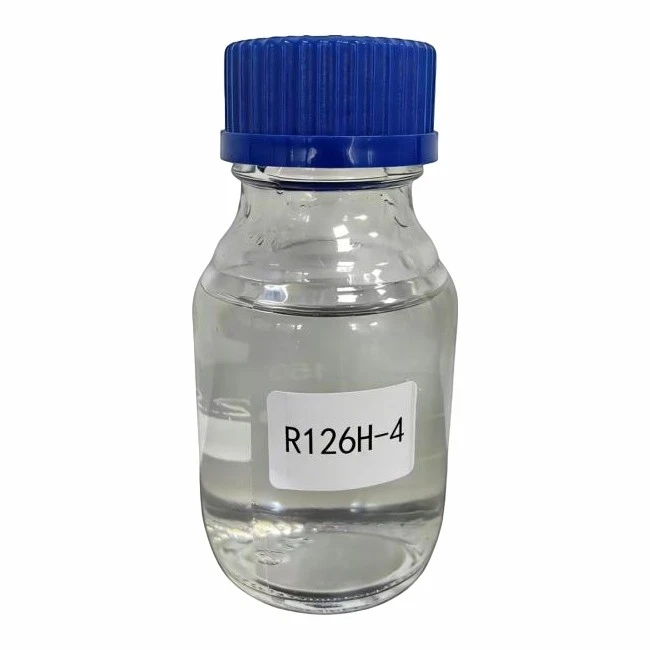
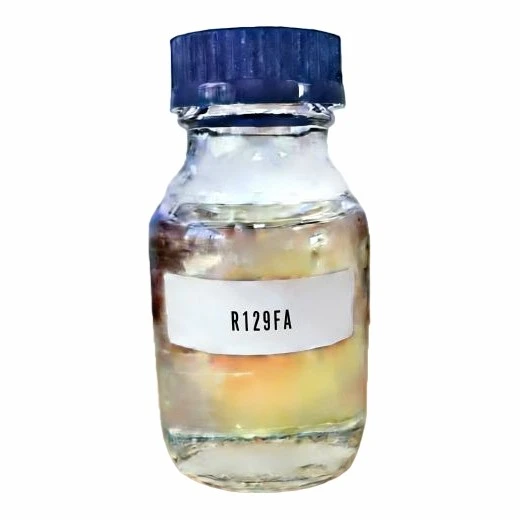
There are various types of rubber primers available in the market, each formulated to meet specific requirements. For example, Rubber Roughing
Primer is designed to create a rough surface of the rubber, which significantly improves the bonding strength, White Rubber Primer is often used when a clean, white base is needed, especially for applications where appearance is crucial.
Compatibility with Different Rubber Types
Not all rubber primers are suitable for all types of rubber. The compatibility depends on several factors, including the chemical composition of the rubber, its hardness, and the intended application. Let's examine several widely‑used rubber varieties and their respective compatibility performance with rubber primers.
Natural Rubber
Natural rubber is derived from the latex of rubber trees. It is known for its high elasticity, resilience, and tear strength. Natural Rubber Primer is specifically formulated to work well with natural rubber. These primers typically contain chemicals that can penetrate the natural rubber's surface, creating a strong bond with subsequent layers. However, it's important to note that natural rubber can be sensitive to certain chemicals, so using the wrong primer can lead to degradation or discoloration of the rubber.
Synthetic Rubbers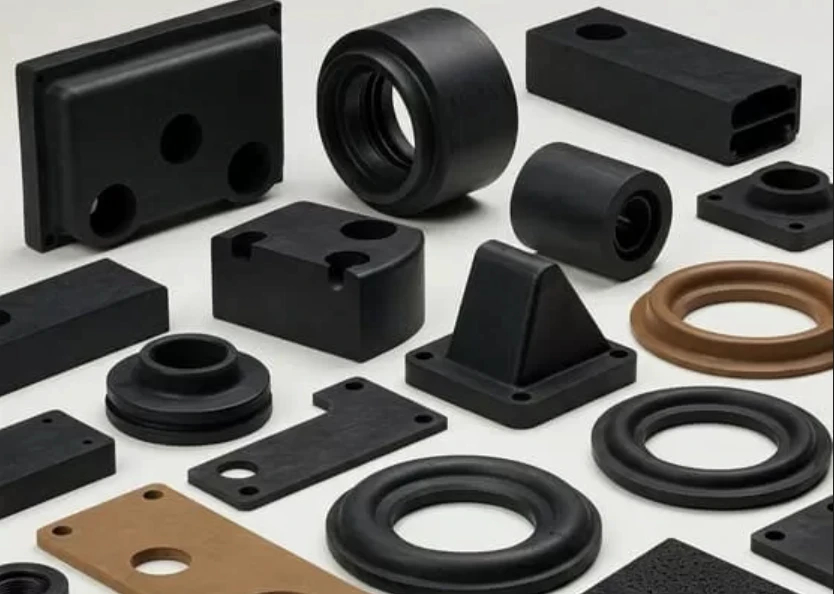
Synthetic rubbers are man - made polymers designed to mimic or improve upon the properties of natural rubber. There are several types of synthetic rubbers, each with its own unique characteristics and compatibility requirements.
-
Neoprene: Neoprene is a versatile synthetic rubber known for its resistance to oil, chemicals, and weathering. It is commonly used in automotive seals, wetsuits, and electrical insulation. A rubber primer suitable for neoprene should be able to withstand the rubber's chemical resistance and provide a strong bond. Some primers may need to be specially formulated to account for neoprene's low surface energy.
-
Nitrile Rubber: Nitrile rubber is valued for its excellent oil and fuel resistance. It is widely used in the automotive and aerospace industries. When using a primer on nitrile rubber, it's essential to choose one that can adhere well to the rubber's surface and maintain its integrity in the presence of oils and fuels.
-
Silicone Rubber: Silicone rubber has high heat resistance, flexibility, and weatherability. It is used in a variety of applications, including gaskets, seals, and medical devices. However, silicone rubber has a very low surface energy, which makes it challenging to bond. Specialized silicone rubber primers are available that are designed to modify the surface energy of silicone rubber, enabling better adhesion.
Thermoplastic Elastomers (TPEs)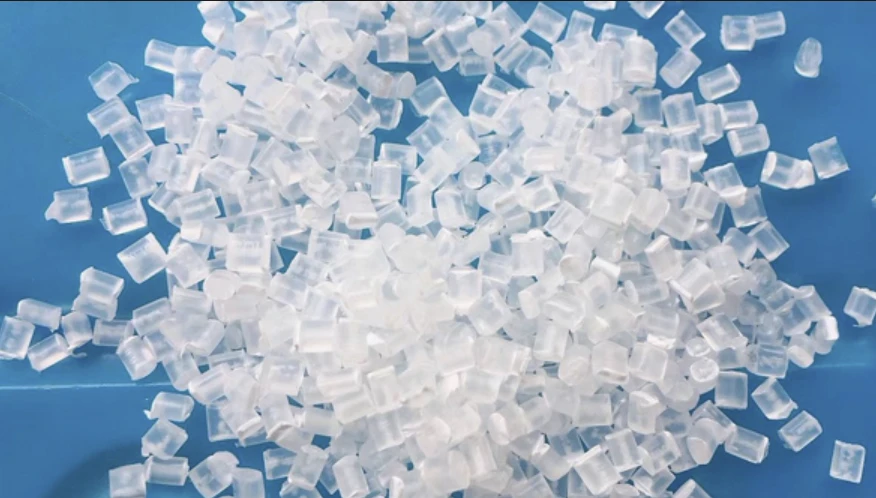
TPEs combine the properties of thermoplastics and elastomers. They are easy to process and can be recycled. TPEs come in a wide range of hardness and chemical compositions. The compatibility of rubber primers with TPEs depends on the specific type of TPE. Some TPEs may require a primer that can bond well to the plastic component, while others may need a primer that interacts with the elastomeric part.
Benefits of Using the Right Primer
Using the correct rubber primer for a specific rubber type offers numerous benefits.
Improved Adhesion
One of the primary benefits is improved adhesion. When the primer is compatible with the rubber, it creates a strong bond between the rubber and the subsequent layer. This is crucial in applications where the bond strength is essential, such as in the automotive industry, where components need to withstand high stress and vibration.
Enhanced Durability
A suitable primer can enhance the durability of the rubber component. By providing a protective layer, it shields the rubber from environmental factors that can cause degradation. For example, in outdoor applications, a primer can protect the rubber from UV radiation, moisture, and temperature fluctuations, extending the lifespan of the rubber.
Cost - Effectiveness
Using the right primer can be cost - effective in the long run. A well - bonded and durable rubber component reduces the need for frequent repairs or replacements. This not only saves money but also minimizes downtime in industrial applications.
How to Choose the Right Primer
Choosing the right rubber primer requires careful consideration. Here are some steps to guide you:
Identify the Rubber Type
The first step is to identify the type of rubber you are working with. This can usually be done through a combination of visual inspection, hardness testing, and chemical analysis. If you are unsure, consult with a rubber expert or the rubber manufacturer.
Consider the Application
The intended application also plays a crucial role in primer selection. For example, if the rubber component will be exposed to harsh chemicals, you need a primer that can withstand those chemicals. If appearance is important, choose a primer that will provide a smooth and aesthetically pleasing finish.
Conclusion
In a word, rubber primers cannot be used on all types of rubber. The compatibility between the primer and the rubber is determined by the chemical composition, hardness, and intended application of the rubber. As a rubber primer supplier, we offer a wide range of primers, including Rubber Roughing Primer, White Rubber Primer, Natural Rubber Primer, and Rubber To Rubber Primer, each designed to meet the specific needs of different rubber types and applications.