
The drying time of primer is a critical factor that significantly impacts the efficiency and quality of various industrial . As a primer supplier, we understand the importance of providing accurate and detailed information to our customers, especially when it comes to the performance of our products under different conditions. In this blog post, we will delve into the topic of the drying time of nylon primer in low temperatures, exploring the factors that influence it and offering practical tips to optimize the process.
Understanding Nylon Primer
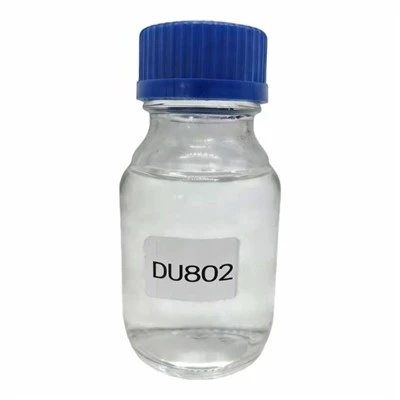
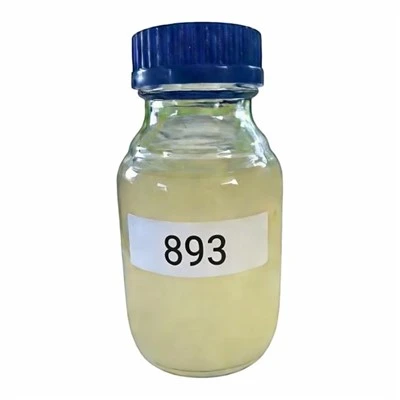
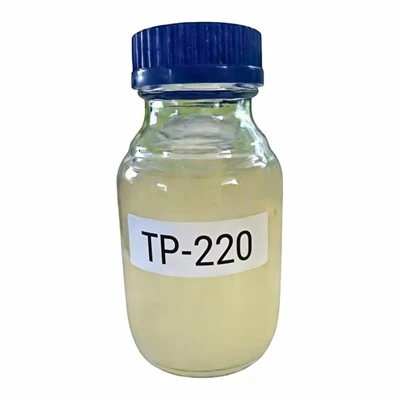
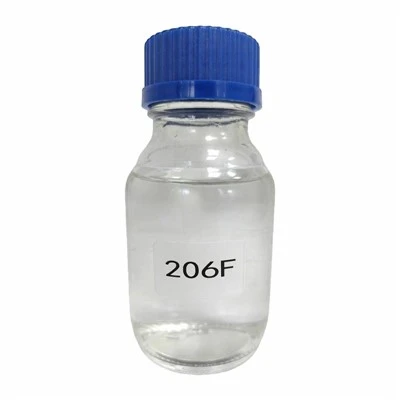
Nylon primer is a specialized coating designed to enhance the adhesion of subsequent layers of paint, adhesive, or other finishes to nylon surfaces. It creates a strong bond between the nylon substrate and the topcoat, improving the durability and longevity of the use case. Our company offers a range of high-quality nylon primers, including E-TPU Nylon Primer, Dual-purpose Primer, Nylon Surface Primer, High-Temperature Nylon Primer, and Genuineleather Cleaning Primer, each formulated to meet specific requirements and applications.
The Impact of Low Temperatures on Drying Time
Temperatures can have a significant impact on the drying time of nylon primer. When the temperature drops, the chemical reactions that occur during the drying process slow down, resulting in a longer drying time.Similarly, when the temperature is relatively high, the chemical reactions occurring during the drying process will accelerate. This is because the solvents in the primer evaporate more slowly at lower temperatures, and the curing process, which involves the formation of a cross-linked network of polymers, is also affected.
In general, the drying time of nylon primer increases exponentially as the temperature decreases. For example, at a temperature of 25°C (77°F), the drying time of a typical nylon primer may be around 30 minutes to 1 hour. However, at a temperature of 5°C (41°F), the drying time can increase to several hours or even days, depending on the specific product and the environmental conditions.
Factors Affecting Drying Time in Low Temperatures
Several factors can influence the drying time of nylon primer in low temperatures. Understanding these factors can help you take appropriate measures to optimize the drying process and get the best results.
- Humidity: High humidity levels can further slow down the drying process by reducing the rate of solvent evaporation. In low temperatures, the air has a lower capacity to hold moisture, which means that even relatively low humidity levels can have a significant impact on drying time. To minimize the effect of humidity, it is recommended to apply the primer in a well-ventilated area.
- Coating Thickness: The thickness of the primer coat also plays a role in drying time. Thicker coats take longer to dry than thinner coats because the solvents have to penetrate through a greater volume of material. To ensure a consistent drying time, it is important to apply the primer in thin, uniform coats.
- Airflow: Good airflow is essential for the efficient evaporation of solvents from the primer. In low temperatures, the air tends to be more stagnant, which can slow down the drying process. To improve airflow, you can use a fan or open windows and doors to allow fresh air to circulate.
- Product Formulation: Different nylon primers have different formulations, which can affect their drying time. Some primers are formulated to dry faster than others, even in low temperatures. When choosing a nylon primer for use in low temperatures, it is important to select a product that is specifically designed for this purpose.
Tips for Drying Nylon Primer in Low Temperatures
Based on our experience as a nylon primer supplier, we have compiled the following tips to help you dry nylon primer more efficiently in low temperatures:
- Preheat the Surface: Before applying the primer, preheat the nylon surface to a temperature of around 20 - 25°C (68 - 77°F). This can be done using a heat gun or a heating pad. Preheating the surface will help to speed up the drying process by increasing the temperature of the primer and the substrate.
- Use a Low-Temperature Primer: As mentioned above,some nylon primers are formulated to dry faster in low temperatures. Look for a primer that is specifically designed for use in cold weather conditions. These primers typically contain special additives that help to accelerate the drying process.
- Apply Thin Coats: To ensure a faster drying time, apply the primer in thin, uniform coats. Avoid applying thick coats, as these will take longer to dry and may also result in a less smooth finish. Allow each coat to dry completely before applying the next one.
- Increase Airflow: Use a fan or open windows and doors to increase the airflow in the area where the primer is being applied. This will help to speed up the evaporation of solvents and reduce the drying time.
- Control Humidity: If possible, use a dehumidifier to reduce the humidity levels in the area. This will help to prevent the primer from drying too slowly and will also improve the adhesion of the topcoat.
Conclusion
The drying time of nylon primer in low temperatures is a complex issue that is influenced by several factors, including temperature, humidity, coating thickness, airflow, and product formulation. By understanding these factors and following the tips outlined in this blog post, you can optimize the drying process and achieve the best results.
As a leading nylon primer supplier, we are committed to providing our customers with high-quality products and expert advice. If you have any questions about the drying time of our nylon primers or need assistance in choosing the right product for your application, please do not hesitate to contact us. We would be happy to help you with your procurement and provide you with detailed information on our products and services. Look forward to discussing potential partnerships and meeting your nylon primer needs.
References
- ASTM International. (2023). Standard Test Methods for Testing Coatings and Related Coatings Products. West Conshohocken, PA.
- Paint and Coatings Industry Magazine. (2022). Drying and Curing of Coatings: A Comprehensive Guide.