Product Overview
Industrial polyurethane adhesives provide high-performance structural and elastic bonding solutions for multi-substrate assemblies across automotive, commercial vehicle body manufacturing, and composite sandwich panel production. These reactive polymer formulations absorb dynamic mechanical loads, vibrational stress, and thermal expansion differentials between dissimilar materials.
Depending on the formulation, they are supplied as one-component (1K) moisture-curing or two-component (2K) chemically cross-linked systems. For industrial buyers, product selection should be based on substrate compatibility, joint design, application method, curing conditions, required mechanical properties, and operating environment.
-
![Instant Shoe Glue]() Instant Shoe Glue
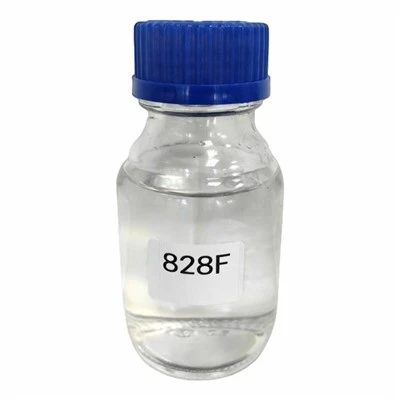
Solvent-based Adhesive 828F
In the traditional footwear manufacturing industry, the use of benzene-based additives has long been difficult to avoid. But today, with growing awareness of... -
![Solvent Based Polyurethane Adhesive]() Solvent Based Polyurethane Adhesive
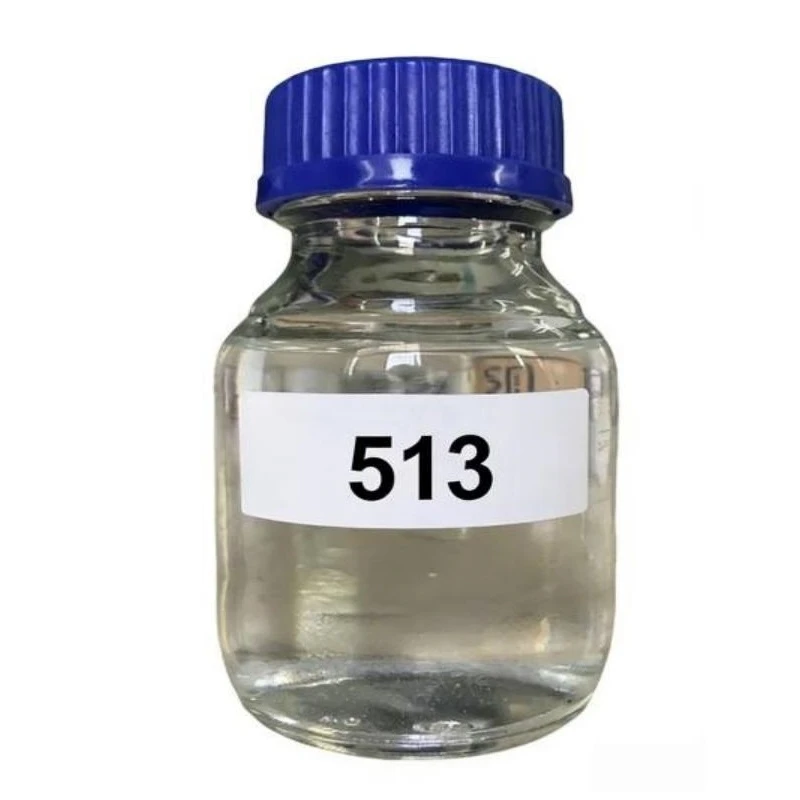
Solvent-based Adhesive 513
In the footwear industry, finding the right balance between good looks and durability makes the choice of adhesive critical. We developed solvent based... -
![Footwear Adhesives]() Footwear Adhesives
Solvent-based Adhesive 530W
In the production of athletic shoes and high-end footwear, bonding porous materials is a critical process. Footwear adhesive 530W is a high-performance...


Technical Specifications
The following parameters provide typical values for comparing one-component and two-component polyurethane adhesives. Actual specifications must be confirmed for each specific product grade.
|
Technical Parameter |
Test Method |
1K Polyurethane Adhesive (Typical Range) |
2K Polyurethane Adhesive (Typical Range) |
|
Component System |
— |
One-component formulation |
Two-component formulation |
|
Base Chemistry |
— |
Polyurethane Prepolymer |
Polyol / Isocyanate |
|
Appearance & Color |
Visual |
Black / Grey / White Paste |
Paste / Liquid (Customizable) |
|
Viscosity |
ISO 2555 |
80 ± 10 Pa·s (Thixotropic) |
45 ± 5 Pa·s (Mixed State) |
|
Density |
ISO 1183-1 |
1.35 ± 0.05 g/cm³ |
1.40 ± 0.05 g/cm³ |
|
Application Window (Open Time) |
Internal Method |
25–30 minutes (23°C, 50% RH) |
40–45 minutes |
|
Shore Hardness |
ISO 868 |
55–60 Shore A |
65–70 Shore A |
|
Tensile Strength |
ISO 37 |
≥ 6.5 MPa |
≥ 10.0 MPa |
|
Elongation at Break |
ISO 37 |
≥ 400% |
≥ 300% |
|
Curing Conditions |
— |
Ambient moisture (Min. 20% RH) |
Stoichiometric mix ratio & thermal/ambient cure |
|
Service Temperature |
— |
−40°C to +90°C |
−40°C to +120°C |
|
Shelf Life |
— |
12 months (Refer to product label) |
9 months (Refer to product label) |
Applications and Substrate Compatibility
Polyurethane adhesives are deployed in rigorous industrial bonding applications. The appropriate product grade depends on the substrate combination, joint configuration, required bond performance, and processing conditions.
Sandwich Panel Manufacturing
Specialized core-to-skin bonding for fiberglass (FRP) and aluminum skins used in commercial transport equipment, recreational vehicles (RVs), and architectural insulated panel systems.
Automotive and Transportation
Structural bonding of vehicle body assemblies, exterior panels, side-wall structures, and weatherproofing seams.

Aluminum and Metal Fabrication
High-strength structural polyurethane adhesive solutions for aluminum bonding in industrial equipment enclosures and container manufacturing.
Substrate Compatibility
Potential substrates for evaluation include steel, aluminum alloys, fiber-reinforced plastic (FRP), selected engineering plastics (e.g., ABS, PC), treated wood, and concrete. (Note: This list identifies possible materials for assessment; it does not establish that every adhesive grade is compatible with every listed substrate. Confirm exact procedures with technical support before production use).
Application and Handling Guidelines
Application procedures must strictly follow the technical data sheet and safety data sheet for the selected product grade.
Surface Preparation: Remove contaminants using a cleaning procedure approved for the specific substrate. The preparation method must account for surface coatings, oxidation, release agents, and plastic additives. Degrease metals with solvent cleaners (e.g., IPA or acetone) and apply recommended silane primers for high-stress or moisture-exposed joints.
Application Method: Selected according to viscosity, packaging, joint geometry, and production scale (e.g., manual caulking guns, pneumatic applicators, or automated robotic dispensing cells).
Mixing Requirements (2K Systems Only): Follow the specified weight or volume mixing ratio precisely. Use recommended static or mechanical mixers and observe working time limits. Do not substitute proportions without technical approval.
Curing Conditions: 1K moisture-curing systems require adequate ambient temperature and relative humidity (minimum 20% RH). 2K systems rely on precise stoichiometry and temperature schedules. Avoid mechanical stress on assemblies before handling strength is achieved.
Storage and Shelf Life: Store in original sealed containers between +5°C and +25°C in a dry environment. Protect from direct sunlight and moisture ingress.
Manufacturing and Quality Documentation
For industrial procurement, buyers should review available product documentation and quality records prior to full-scale production approval:
Technical Data Sheet (TDS)
Detailed product characteristics, application instructions, and standard test data.
Safety Data Sheet (SDS)
Hazard classifications, safe handling precautions, storage parameters, and regulatory guidance.
Certificate of Analysis (COA)
Batch-specific analytical results supplied with commercial lots.
Test Reports
Supporting data for specific mechanical performance or environmental resistance requirements.
Frequently Asked Questions

Request a Technical Evaluation and Quote
To help our engineering team evaluate a suitable polyurethane adhesive grade for your project, please provide the following details:
Target Substrates (Materials, Grades & Surface Conditions):
Joint Configuration & Dimensions (Bond Area & Joint Gap):
Required Mechanical Performance (Tensile/Shear Load Requirements):
Operating Conditions (Service Temperature & Environmental Exposure):
Application Process (Manual / Automated Dispensing & Target Cycle Time):
Packaging Format & Estimated Annual Consumption Volume:
Destination Port / Delivery Location:
Guangdong Yrbest High Polymer Technology Co., Ltd. is one of the most professional polyurethane adhesive manufacturers and suppliers in China, featured by quality products and good price. Please rest assured to buy bulk advanced polyurethane adhesive from our factory. Contact us for quotation and free sample.
Chemical resistant adhesive, Shoe making adhesive, Weatherproof shoe glue