The Importance of Adhesives in Wooden Furniture Manufacturing
Selecting reliable adhesives is critical for wooden furniture production. Such adhesives hold furniture components firmly in place and extend service life. Therefore, choosing suitable adhesives stands as a top priority for furniture manufacturers.
PVA (Polyvinyl Acetate) glue is one of the most widely‑used adhesives in the industry. It comes in white, yellow and water‑resistant grades. Easy‑to‑apply and durable, it is the preferred choice for both professional projects and DIY applications.
UF (Urea‑Formaldehyde) glue is another practical option, especially for plywood and particleboard. It offers better water resistance than PVA, making it ideal for articles exposed to humid environments and keeping furniture structurally intact over time.
Epoxy resins are well‑known for strong bonding performance and water resistance. They work perfectly for high‑wear furniture components. Picking the right adhesive is the cornerstone of quality furniture manufacturing.
Types of Adhesives Used in Furniture Manufacturing
Adhesives lay the foundation for durable furniture. Understanding different adhesive types helps you select the best match for your projects. Below are common adhesives and their advantages for furniture production.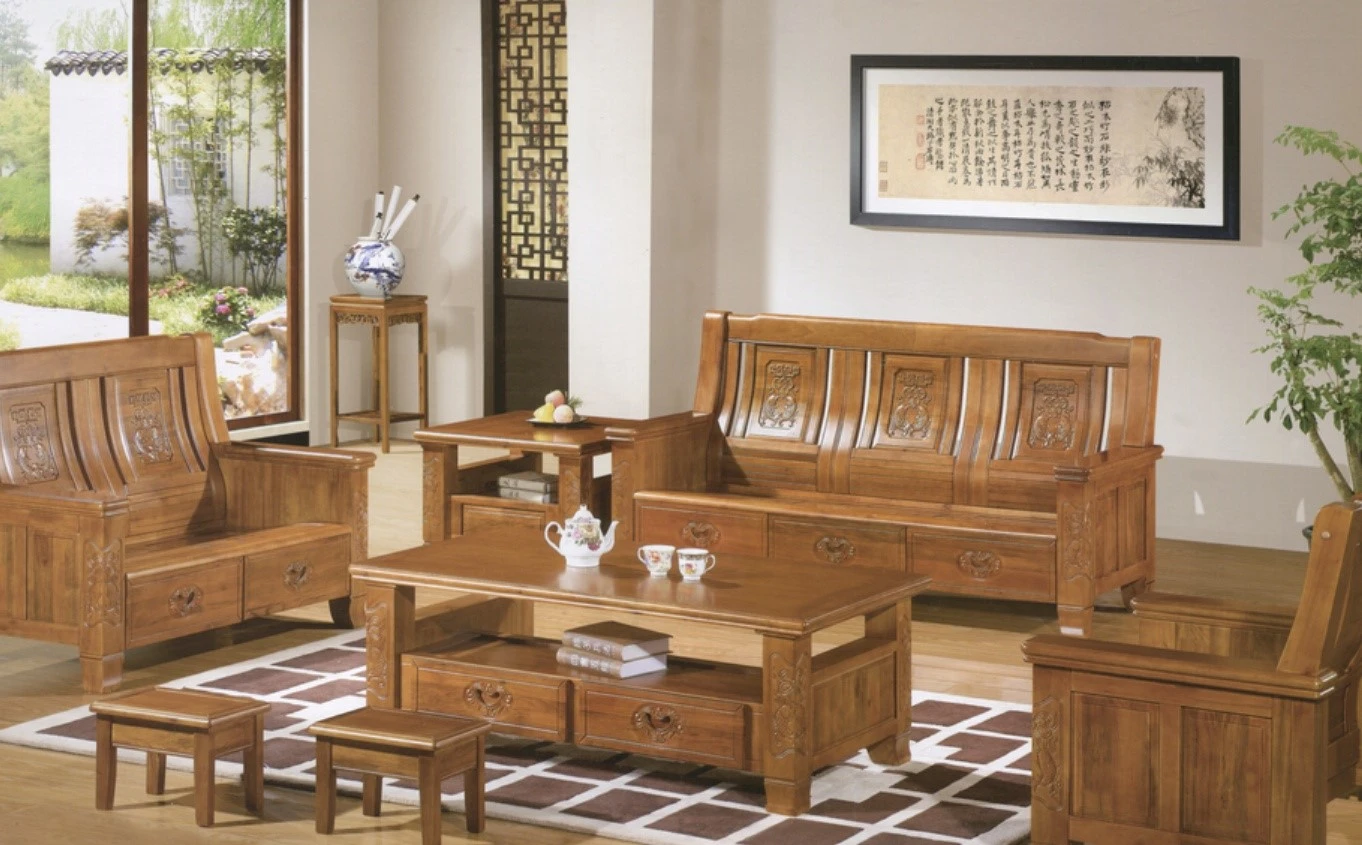
PVA (Polyvinyl Acetate) Glue
PVA glue is a favourite among woodworkers. It performs excellently for bonding joints, edges and veneers. Thanks to its easy handling and reliable bonding strength, it suits all kinds of furniture‑making tasks, from minor repairs to large‑scale assembly.
Epoxy Glue
Epoxy resin adhesives are famous for high strength and durability. They are ideal for challenging jobs such as crack repair and component fixing.
Polyurethane Adhesives
Polyurethane adhesives bond metal and wood very well, particularly for composite‑material furniture. They are widely applied for sturdy joints on tables and chairs. Good flexibility and moisture resistance make them perfect for outdoor furniture.
Cyanoacrylate Adhesives
Also known as super glue, cyanoacrylate adhesives cure rapidly. They create fast, firm bonds for small‑scale repairs. Well‑suited for metal‑to‑metal connections, they excel in precision work requiring quick bonding.
Every adhesive has unique properties tailored for specific furniture‑making scenarios. A clear understanding of these characteristics helps you achieve optimal project outcomes. Refer to real‑world industry cases for practical application references.
Selecting the Right Wood Glue for Furniture
Choosing proper furniture glue is of great importance for both professional workers and DIY enthusiasts. The first step is to identify your wood type, since different timbers require matching adhesives for optimum bonding performance and durability.
Bonding strength determines furniture service life. You need glue with robust bond strength that withstands environmental changes. Water resistance is another vital factor; opt for water‑proof grades for outdoor or high‑humidity applications.
Next, consider open time - the working window before adhesive sets. Projects with intricate details demand longer open time for smoother operation and stronger final joints.
Quick Reference Guide for Wood Glue Selection
| Adhesive Type | Bond Strength | Water Resistance | Open Time | Best For |
|---|---|---|---|---|
| PVA Glue | Medium‑High | Medium | 5‑10 mins | Indoor furniture, general woodworking |
| Epoxy Resin | High | High | 30‑60 mins | Structural repair, outdoor furniture |
| Polyurethane | High | Very High | 15‑20 mins | Hardwood, projects requiring heavy‑duty joints |
| Cyanoacrylate | High | Low | Very short | Quick repairs, small joints |
Surface Preparation
Proper surface preparation is the prerequisite for strong bonding. Three major approaches are available: physical, mechanical and chemical methods. Your choice depends on base materials such as metal, wood or plastic.
For wood substrates: ensure the material is fully dry and sand surfaces clean with sandpaper. Metals require dedicated cleaning solvents. Plastics may need cleaning plus primer coating to achieve better adhesion. All substrates shall be solvent‑cleaned beforehand to reach maximum surface cleanliness.
Conclusion
We have walked through wooden furniture manufacturing and highlighted the significance of proper adhesive selection. Adhesives including PVA and epoxy resin have proven their value, playing an irreplaceable role in crafting durable and attractive furniture.
Thorough surface preparation, correct adhesive application, plus proper clamping & curing procedures are vital. These steps guarantee firm, long‑lasting bonds. Applications such as adhesive tapes and furniture anchors further demonstrate the versatility and importance of modern adhesives.