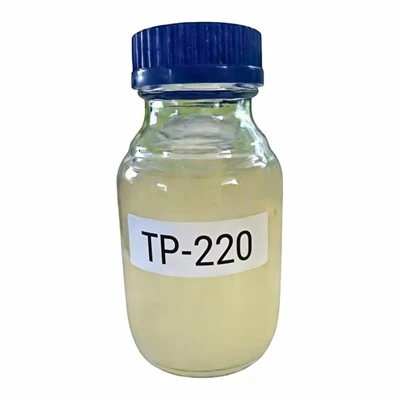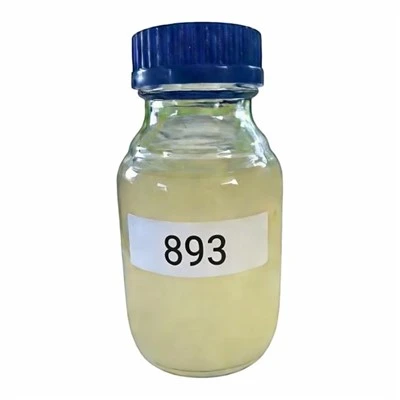
Vulcanized adhesives are special adhesives that bond materials through a vulcanization reaction. Their core function is to form a three-dimensional network structure through chemical cross-linking, giving the bonded materials high strength, aging resistance, and chemical corrosion resistance.
Basic Bonding Function: Vulcanized adhesives physically adsorb onto the surfaces of the bonded materials through intermolecular forces. Simultaneously, the active groups generated during vulcanization react chemically with the material surface, forming chemical bonds. For example, when bonding rubber to metal, the vulcanizing agent in the adhesive undergoes an addition reaction with the double bonds in the rubber molecular chain, forming C-S-Metal bonds, resulting in a bond strength exceeding 80% of the rubber's intrinsic strength. This dual bonding mechanism makes it excellent in applications such as tire repair and conveyor belt connections. Real-world testing shows that high-quality vulcanized adhesives can achieve a shear strength of 15-25 MPa at room temperature.
Performance Enhancement: The vulcanization process triggers a cross-linking reaction in the rubber molecular chains, forming a thermosetting network structure. This structural change brings three major performance improvements:
1) Significantly enhanced heat resistance: ordinary adhesives soften at 80℃, while vulcanized adhesives maintain stable performance at 150-200℃;
2) Improved resistance to media: resistance to solvents such as gasoline and hydraulic oil is increased by 3-5 times;
3) Extended dynamic fatigue life: under alternating stress, the crack propagation rate of vulcanized adhesives is reduced by 60-80% compared to unvulcanized adhesives. These properties make it the preferred bonding material for key components such as automotive shock absorbers and hydraulic seals in engineering machinery.