The Shift Toward Health-Focused and Sustainable Automotive Manufacturing
The global automotive industry is undergoing a comprehensive upgrade in sustainable production standards. Regulatory bodies worldwide continue to tighten restrictions on volatile organic compound (VOC) emissions from automotive interior parts. Traditional interior adhesives often release strong residual odours and harmful volatile substances, which may cause headaches, allergic reactions, and chemical sensitivity for passengers during long-term use.
Low-odour, low-VOC adhesive systems effectively solve these pain points. They not only ensure stable bonding performance but also optimize vehicle interior hygiene and comfort. Currently, more automotive OEMs and tier suppliers prioritize low-emission adhesive materials to enhance product competitiveness and meet rising consumer demands for healthy car environments.
What Are Low-VOC and Low-Odour Automotive Adhesives?
Low-VOC adhesives refer to optimized adhesive formulations with extremely low volatile organic compound content, with emission levels far below international regulatory limits. Low-odour adhesives are specially engineered to eliminate sharp chemical smells and residual odours after curing.
By adopting low-VOC and low-odour adhesive solutions, automotive manufacturers can effectively reduce in-car chemical exposure, protect sensitive groups such as children and pregnant women, and comply with mainstream global green certifications, including GREENGUARD, LEED, and German automotive environmental standards.
Core Advantages of Low-VOC & Low-Odour Adhesives for Automotive Interiors
Improved In-Cabin Air Quality: Minimizes harmful volatile emissions and reduces interior air pollution.
Enhanced Passenger Health & Comfort: Eliminates pungent chemical odours and avoids physical discomfort caused by long-term exposure.
Full Compliance with Global Regulations: Meets EU directives, CARB standards, Chinese GB standards, and ISO automotive material emission requirements.
Reduced After-Sales Complaints: Effectively avoids negative reviews and reputation risks caused by peculiar interior smells.
Higher Sustainability Ratings: Helps automobile brands upgrade green manufacturing credentials and lower carbon footprints.
Key Global Regulations Governing 2026 Automotive Adhesive Selection
Automotive interior materials face unified and standardized emission requirements worldwide in 2026. Major regulatory systems, including California Air Resources Board (CARB), EU environmental directives, Chinese national GB standards, and ISO industrial specifications, strictly limit the VOC content, fogging performance, and odour level of interior adhesives.
Modern automotive manufacturing no longer evaluates adhesives based on bonding strength alone. Odour testing, fogging testing, and volatile emission testing have become mandatory inspection indicators, making low-VOC and low-odour adhesive selection a necessary part of standardized production.
Main Types of Low-VOC Adhesives Used in Automotive Interior Assembly
Different interior components require targeted low-emission adhesive solutions. The mainstream low-VOC adhesive systems widely used in the automotive industry include the following categories:
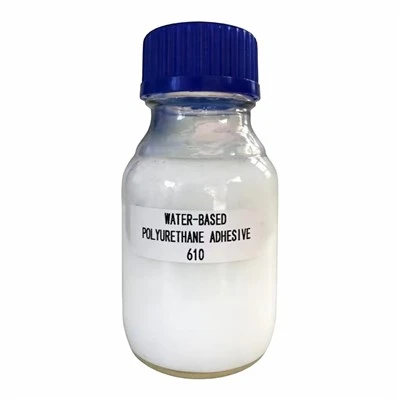
Water-Based Adhesives: Extremely low VOC and minimal odour. Ideal for bonding fabrics, foam materials, and dashboard trims, delivering clean and eco-friendly bonding effects.
Hot Melt Adhesives: Low VOC, zero solvent, fast curing, and odour-free after molding. Widely used for carpets, roof headliners, and interior lightweight assembly.
PUR Reactive Adhesives: Excellent flexibility and durability, suitable for leather, vinyl, and mixed material interiors. Balances low-emission performance and long-term structural stability.
Silicone & Modified Acrylate Adhesives: Features high-temperature resistance and stable flexibility, perfect for flexible parts and sensor bracket bonding.
Lamination Adhesives: Customized for multi-layer interior decorative lamination, with optimized formulas to reduce overall emissions.
Low-VOC Adhesive Performance Comparison
|
Adhesive Type |
Main Applications |
VOC Level |
Odour Performance |
Overall Performance |
|---|---|---|---|---|
|
Water-Based |
Foam, Fabric, Interior Trims |
Very Low |
Nearly Odourless |
Stable & Eco-Friendly |
|
Hot Melt |
Carpet, Headliner, Light Assembly |
Low |
Minimal Odour |
High Efficiency |
|
PUR |
Seats, Leather, Vinyl Parts |
Low |
Mild Odour |
Excellent Durability |
|
Silicone / Acrylate |
Flexible Brackets, High-Temp Parts |
Low |
Low Odour |
High-Temperature Resistant |
Typical Applications in Automotive Interior Production
Low-VOC and low-odour adhesives cover almost all core interior assembly scenarios:
Dashboard, instrument panel and glove box bonding
Foam and fabric lamination for automotive seats
Fixing of car carpets, roof liners and sound insulation panels
Assembly and reinforcement of door panels, center consoles and control components
Lamination and bonding of multi-material decorative parts
These low-emission adhesive systems simplify production processes, ensure firm and durable bonding, and fundamentally avoid residual chemical odours in finished vehicles.
Modern Low-VOC Adhesives vs Traditional Adhesives
|
Performance Index |
Modern Low-VOC Adhesives |
Traditional Adhesives |
|---|---|---|
|
VOC Emission |
<50g/L |
100–500g/L |
|
Odour |
Mild / Odourless |
Harsh & Pungent |
|
Bonding Strength |
Equivalent or Higher |
Standard |
|
Curing Speed |
Ultra-Fast |
Ultra-Fast |
|
Sustainability Level |
Excellent |
Poor |
Conclusion
As global automotive interior standards continue to upgrade in 2026, low-VOC and low-odour adhesives are no longer optional upgrades but basic manufacturing requirements for high-quality vehicle interiors. These eco-friendly adhesive solutions balance high bonding performance, production efficiency, environmental compliance and passenger health protection.
For automotive manufacturers and material suppliers, selecting professional low-emission adhesive systems helps stabilize product quality, meet international certification standards, and create healthier, higher-end vehicle interior environments. With continuous improvements in environmental protection and comfort requirements, low-VOC and low-odour adhesives will become the mainstream trend for future automotive interior bonding technology.